
A collection of stories about our people, our capabilities, our research, and the ever-changing face of our firm.
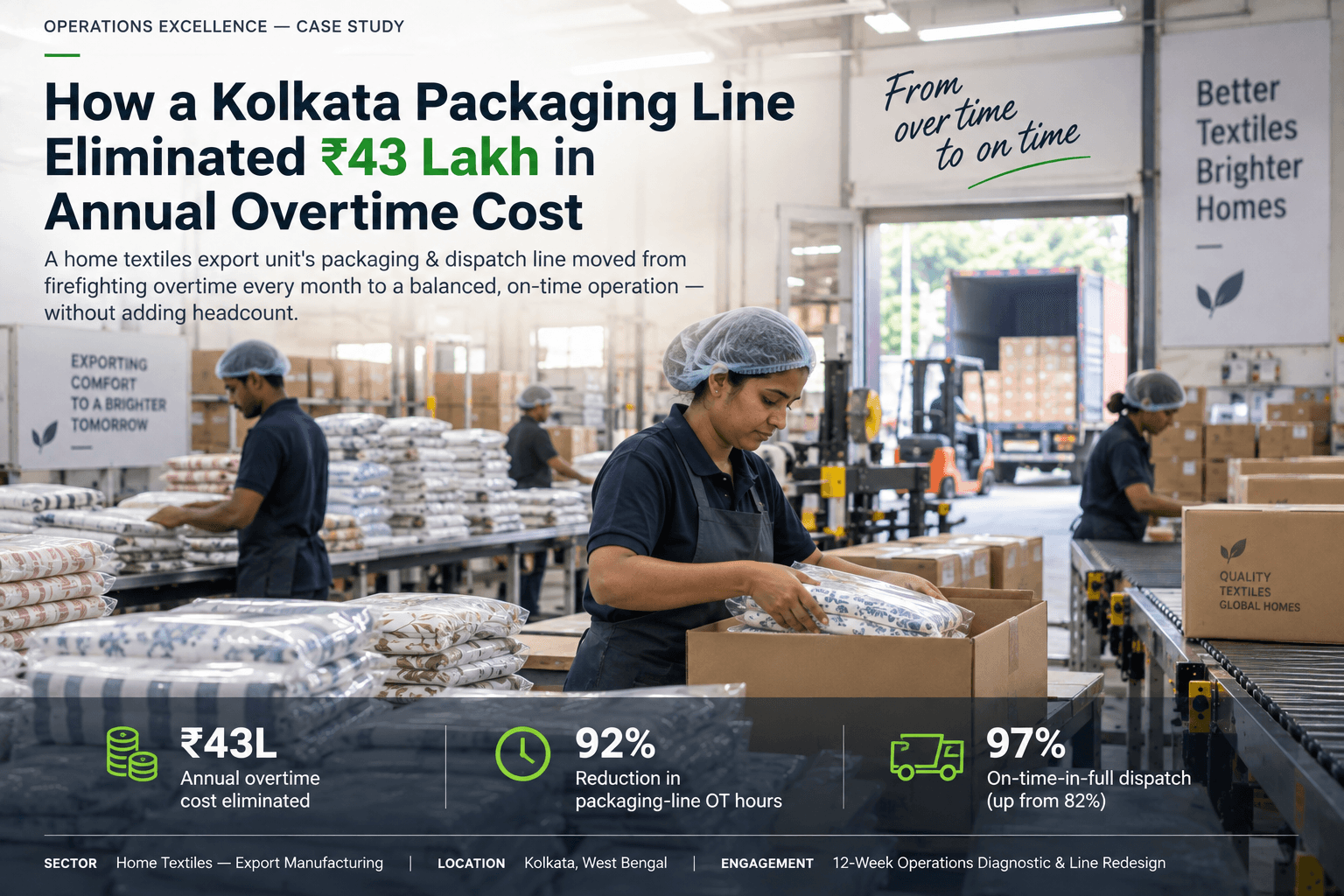
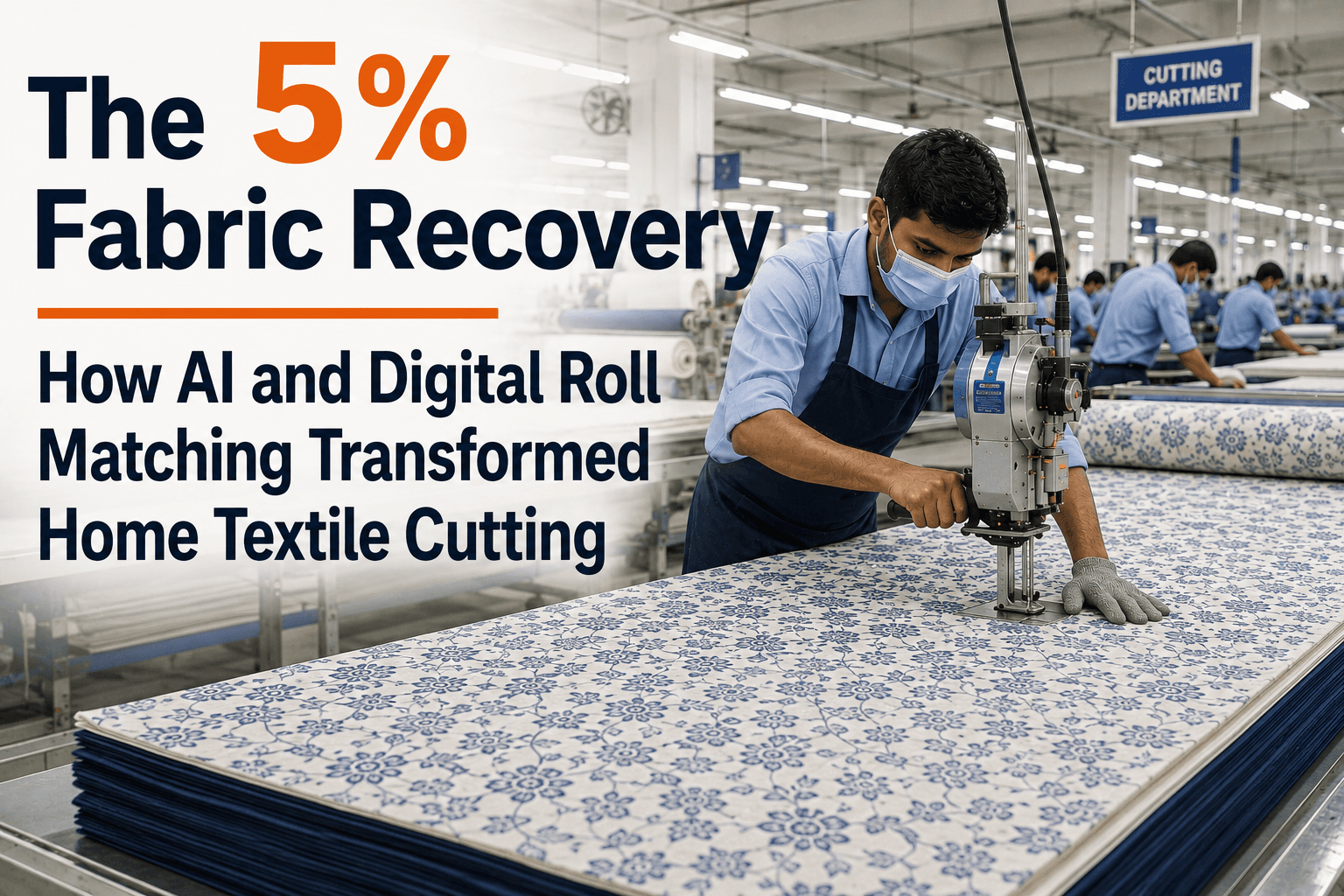
Fabric accounts for nearly 55 to 70 percent of the manufacturing cost in most home textile products. Even a one percent improvement in fabric utilization can significantly improve operating margins. Despite this, many manufacturers continue to lose fabric every day because planning decisions are still based on spreadsheets, assumptions, and individual experience rather than data. When MADASKY Consulting partnered with ABC (name undisclosed), the objective was not simply to reduce fabric waste. The goal was to redesign the way fabric was planned, consumed, and controlled throughout the cutting process. Rather than investing in new machinery, the company invested in improving information. By connecting planning, marker optimization, inventory, and the cutting floor into one integrated system, the factory was able to reduce waste, improve cutting room planning accuracy, shorten planning time, and generate substantial annual savings.
7 Signs Your Home Textile Factory Has Team & Management Problems Most underperforming home textile mills share one silent problem: the machines are fine — the leadership isn’t. Here’s how to spot dysfunction before it costs you a season. The home textile industry — spanning bedding, bath linen, curtains, upholstery, and kitchen textiles — is one of the most operationally demanding segments in manufacturing. Margins are tight, seasonal pressure is relentless, and buyers demand consistent quality across millions of units. In this environment, poor management and dysfunctional teams don’t just dent profits; they trigger cancelled orders, brand-level penalties, and the slow loss of key accounts. Here are seven warning signs that your facility has a deeper people and leadership problem — and what it looks like in a home textile context. 01 High turnover in stitching, finishing, and QC departments In home textile factories, skilled workers in embroidery, stitching, and final QC represent years of accumulated speed and judgement. When they leave, quality consistency walks out with them. Chronic turnover in these roles almost always traces to supervision quality — not pay. Skilled sewing or embroidery operators are replaced every 3–6 months QC staff cite 'no point in reporting' as a reason for leaving Shift-specific turnover patterns point to individual supervisors ⚠ If your buyers are seeing stitch inconsistency across batches, turnover in key roles may be the root cause. 02 Defect rates are tracked but never explained Tracking defects is table stakes. Understanding why they occurred — and which team, shift, or process originated them — is where home textile factories often fail. Without this, quality audits become theatre. Defect logs show counts, not root causes or responsible process stages QC supervisors record problems but receive no structured feedback from management Fabric, yarn, or dye batches are blamed routinely without investigation ⚠ In textile manufacturing, most quality problems are process or people problems wearing a materials mask. 03 Seasonal pressure silences communication Home textile factories face intense peak-season pressure from retail buyers tied to holiday, back-to-school, or white-sale cycles. Under this pressure, workers and junior supervisors stop raising concerns — because they believe nothing will be done, or fear they'll be blamed for slowing output. Workers flag defects verbally but don't record them formally during peak season Managers override QC holds to protect shipment timelines Post-season reviews reveal problems that were 'known' but never escalated ⚠ A factory that goes quiet during peak season isn't efficient. It's afraid. 04 Weaving, dyeing, and finishing operate as separate kingdoms The integrated nature of home textile production — where a problem in pre-treatment affects finishing yields days later — makes departmental silos particularly destructive. When weaving blames dyeing and dyeing blames finishing, the actual problem gets no owner. No cross-department defect review meeting exists Each production stage maintains separate quality records that are never reconciled Process changes in one department aren't communicated to downstream teams ⚠ Silos in home textiles don’t just hurt morale — they produce the inconsistent batches that cost you reorders. 05 Safety incidents in dye houses and finishing go unreported Dye houses involve chemical handling, high-temperature equipment, and confined spaces. Finishing departments operate industrial pressing and calendering machines. In facilities with poor management culture, near-misses in these areas go unlogged because workers fear reprisal or believe reporting is pointless. Workers describe near-misses informally to each other but never to supervisors Chemical handling errors are treated as personal mistakes, not process failures Safety incentives are tied to zero-incident counts rather than reporting quality ⚠ An unreported dye-house incident is a future regulatory shutdown in waiting. 06 Production supervisors were promoted for speed, not leadership In home textile factories, the fastest weaver or the most experienced loom operator is often made a line supervisor. This is logical on the surface — until they're asked to manage shift conflicts, coach slower workers, or have difficult conversations with chronically absent team members. These are entirely different skills. New supervisors spend most of their time doing tasks rather than overseeing the team Worker complaints about supervisor behaviour go unaddressed for months No structured induction or development program exists for new line leaders ⚠ A great weaver who can’t manage people will produce great fabric — at the cost of everyone around them. 07 No structured improvement process between seasons The inter-season window — the pause between major shipment cycles — is the natural time for home textile factories to review processes, retrain teams, and address recurring defects. In poorly managed facilities, this window is used only for maintenance. People's problems go unaddressed until the next peak season magnifies them. Post-shipment reviews focus only on volumes, not quality or team performance Training during inter-season is purely technical, never supervisory or behavioral The same complaints surface in exit interviews year after year ⚠ If your factory resets every season without learning from the last one, you’re not running a factory — you’re running the same factory twice. How Madasky Has Helped Home Textile Companies Madasky’s operational transformation consultancy that works exclusively at the intersection of people, process, and manufacturing performance. Unlike generalist consultants who apply the same concepts across industries, Madasky’s team brings deep, hands-on experience in textile operations — from weaving and processing to cutting, sewing, finishing, and dispatch. Case Study: Bedding Manufacturer, Western India A large integrated manufacturer producing 100% cotton bedsheets for the USA and European private-label buyers approached Madasky after failing to meet AQL quality benchmarks for three consecutive seasons. Their rejection rate at the packing stage had climbed to 7.2% — nearly three times the buyer’s tolerance. Initial management belief was that the problem was raw material sourcing. Madasky’s diagnosis revealed the real root cause: grey fabric & finished fabric inspection supervisors had no authority to halt production even when defect rates crossed the threshold. They flagged issues verbally upward, but middle managers — under daily output pressure routinely overrode them. The people who could see the problem had no power to stop it. Madasky redesigned the authority matrix and embedded a structured daily escalation cadence. Within two production cycles, rejection rates fell to 2.1% and the client retained their EU contract. Case Study: Bath Linen Export House, Gujarat A bath linen exporter supplying branded towels to US retail chains was experiencing a 34% annual worker attrition rate in their stitching and finishing departments — crippling their ability to maintain quality consistency. Exit interviews were conducted but treated as a formality. Madasky re-ran structured exit interviews and conducted a confidential floor-level survey. The findings were consistent: workers felt that their direct supervisors played favourites in shift allocation and that disputes were never addressed fairly. Two supervisors were responsible for 60% of the exits across their teams. Following a restructured supervisor development and accountability program, attrition dropped 41% within 12 months — and the client’s quality scores with their US buyer improved measurably. Outcomes across Madasky’s home textile engagements Quality rejection rate Staff attrition On-time delivery Time to improvement ↓ avg. 58% ↓ avg. 39% ↑ avg. 22% 7–10 months What distinguishes Madasky’s approach in home textiles is a refusal to isolate operational metrics from human factors. In their experience, a factory producing defective towels is almost never just a process problem — it’s a team where someone is afraid to speak, a manager who avoids conflict, or a system that rewards output over quality. Fix the people dynamics, and the numbers follow. Is your home textile facility showing these signs? Madasky offers confidential factory diagnostics for textile manufacturers who sense something is wrong but are not sure where to start. Our team embeds with your operations, maps your real dysfunction profile, and delivers a focused action plan, not a generic report. Contact us: info@madasky.com | www.madasky.com


MADASKY CONSULTING | INDUSTRY INSIGHT | MARCH 2026 AI in Manufacturing: Practical Adoption Model for Indian Home Textile & Apparel Industry
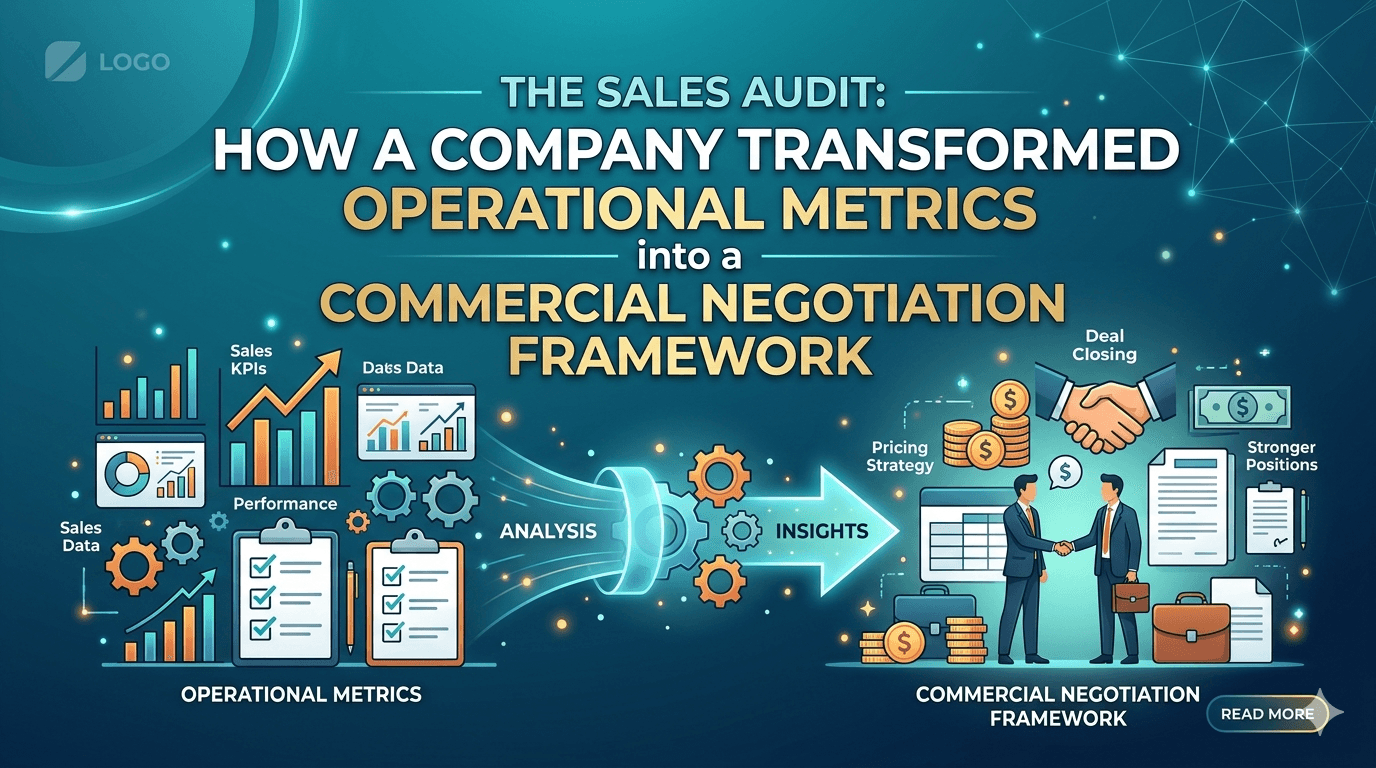
Industry: Fabric Manufacturing · Company Size: ~250 Employees · Timeline: 6 Mon

This blog cuts through the noise and shows where AI actually delivers in manufacturing. From procurement and maintenance to quality, planning, and energy use, it breaks down how intelligence improves day-to-day operations, not just presentations. The focus stays clear: better cost control, fewer disruptions, consistent quality, and sharper decision-making across the entire value chain. It also calls out an important truth. AI doesn’t fix weak processes or poor discipline. It only works when the fundamentals are in place. If you’re running or advising a manufacturing business, this piece helps you separate real impact from hype and understand where to start, what to fix, and how to scale it right.


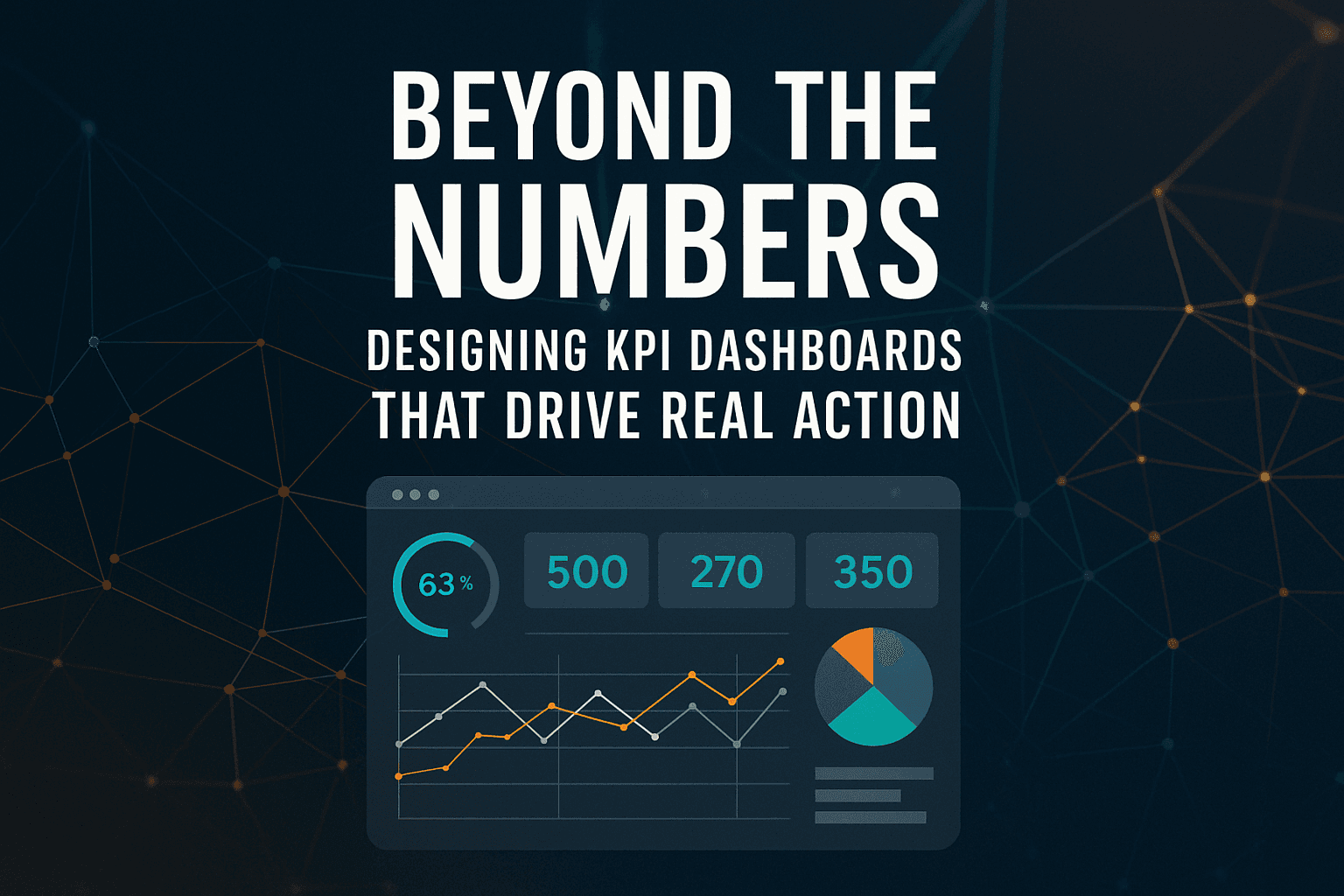
This blog explores why most KPI dashboards fail to create impact—and how to design them so they actually drive action. It breaks down common pitfalls like tracking too many metrics, relying on lagging indicators, and lacking accountability, then offers practical principles for building dashboards that are clear, contextual, and tied to decision-making. From defining truly actionable KPIs to embedding alerts, ownership, and cultural buy-in, it shows how the right design can turn data from passive reports into active performance drivers.
BY AMIT MITTAL, Managing Director at MADASKY Consulting | Sr. Advisor at McKinsey & Co. | Stern-NYU, LSE Alumni | Founder of MADASKY ProXpert | Executive Coach | Expert in Management Consulting and Business Growth Strategy.

This blog explores why most KPI dashboards fail to create impact—and how to design them so they actually drive action. It breaks down common pitfalls like tracking too many metrics, relying on lagging indicators, and lacking accountability, then offers practical principles for building dashboards that are clear, contextual, and tied to decision-making. From defining truly actionable KPIs to embedding alerts, ownership, and cultural buy-in, it shows how the right design can turn data from passive reports into active performance drivers.
.jpeg&w=3840&q=75)
BY AMIT MITTAL, Managing Director at MADASKY Consulting | Sr Advisor at McKinsey & Co | Stern - NYU, LSE Alumni | Founder of MADASKY ProXpert | Executive Coach | Expert in Management Consulting and Business Growth Strategy.
BY AMIT MITTAL, Managing Director at MADASKY Consulting | Sr Advisor at McKinsey & Co | Stern - NYU, LSE Alumni | Founder of MADASKY ProXpert | Executive Coach | Expert in Management Consulting and Business Growth Strategy.


BY AMIT MITTAL, Managing Director at MADASKY Consulting | Sr Advisor at McKinsey & Co | Stern - NYU, LSE Alumni | Founder of MADASKY ProXpert | Executive Coach | Expert in Management Consulting and Business Growth Strategy.
BY AMIT MITTAL, Managing Director at MADASKY Consulting | Sr Advisor at McKinsey & Co | Stern - NYU, LSE Alumni | Founder of MADASKY ProXpert | Executive Coach | Expert in Management Consulting and Business Growth Strategy.
BY AMIT MITTAL, Managing Director at MADASKY Consulting | Sr Advisor at McKinsey & Co | Stern - NYU, LSE Alumni | Founder of MADASKY ProXpert | Executive Coach | Expert in Management Consulting and Business Growth Strategy.

BY AMIT MITTAL, Managing Director at MADASKY Consulting | Sr Advisor at McKinsey & Co | Stern - NYU, LSE Alumni | Founder of MADASKY ProXpert | Executive Coach | Expert in Management Consulting and Business Growth Strategy.

Boost your manufacturing efficiency and profitability with optimized production planning and scheduling. This guide covers data analytics, advanced scheduling tools, lean principles, cross-department collaboration, flexible scheduling, proactive maintenance, supplier relationships, and performance reviews. Learn practical strategies to streamline processes, reduce costs, and enhance output, keeping your business competitive and agile.

BY AMIT MITTAL, Managing Director at MADASKY Consulting | Sr Advisor at McKinsey & Co | Stern - NYU, LSE Alumni | Founder of MADASKY ProXpert | Executive Coach | Expert in Management Consulting and Business Growth Strategy.

BY AMIT MITTAL, Managing Director at MADASKY Consulting | Sr Advisor at McKinsey & Co | Stern - NYU, LSE Alumni | Founder of MADASKY ProXpert | Executive Coach | Expert in Mgmt Consultg and Business Growth Strategy.
BY AMIT MITTAL, Managing Director at MADASKY Consulting | Sr Advisor at McKinsey & Co | Stern - NYU, LSE Alumni | Founder of MADASKY ProXpert | Executive Coach | Expert in Mgmt Consultg and Business Growth Strategy

BY AMIT MITTAL, Managing Director at MADASKY Consulting | Sr Advisor at McKinsey & Co | Stern - NYU, LSE Alumni | Founder of MADASKY ProXpert | Executive Coach | Expert in Mgmt Consultg and Business Growth Strategy

BY AMIT MITTAL, Managing Director at MADASKY Consulting | Sr Advisor at McKinsey & Co | Stern - NYU, LSE Alumni | Founder of MADASKY ProXpert | Executive Coach | Expert in Mgmt Consultg and Business Growth Strategy

High-performing teams are the cornerstone of organizational success in today’s competitive and dynamic business landscape. This case study highlights how our cutting-edge consulting approaches to talent management transformed a leading multinational manufacturing firm, achieving measurable results in team performance, engagement, and retention

BY AMITMITTAL, Business Coach, Consulting & Advisory

In the dynamic and competitive landscape of today’s global economy, business growth is not just a desirable goal; it’s an essential element for survival and long-term success. Every entrepreneur and business owner dreams of seeing their enterprise flourish and expand. However, reaching a level of success often leads some leaders to become complacent, and satisfied with their current standing in the market. Anyone in business knows that growth is essential for long-term success and sustainability. Without growth, companies risk being outperformed by their competitors and failing to meet the ever-changing needs and demands of their customers. This article explores the concept of business growth, its correlation with profitability, key drivers, challenges, and strategies for sustainable growth.

In today’s competitive market, excelling in sales requires more than just enthusiasm and a good pitch. It demands a structured approach to skill enhancement, strategic thinking, and technique refinement. To address these needs, we present the 12-Week Sales Masterclass—an intensive program designed to elevate your sales performance through a structured and transformative journey. This program is meticulously divided into three stages: Ignition, Empower, and Achieve, each crafted to ensure that you, as a participant, emerge as a proficient and successful salesperson.

Innovex (name changed for confidentiality), a manufacturing company, encountered significant challenges in scaling their operations and optimizing sales outcomes. In partnership with Madasky Consulting, Innovex embarked on an extensive transformation of their sales and marketing strategies. This case study delves into the strategic interventions and the impressive results achieved, focusing on comprehensive market research, redefined pricing strategies, expanded distribution channels, and a suite of enhanced sales and marketing tactics. The strategic interventions not only improved Innovex’s market position but also significantly increased its sales and profitability.
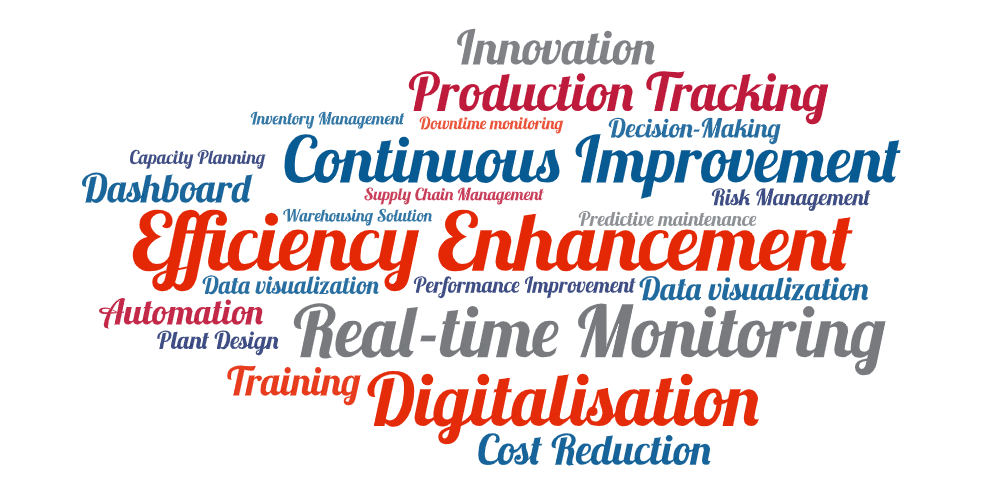
The multifaceted consultancy services provided by MADASKY to ABC International (a leading player in home textile manufacturing, name kept confidential) aimed at overhauling their production capabilities and operational strategies, especially in the complex textiles manufacturing sector. Faced with escalating market demands, increasing competition, an expanding range of SKUs, and a reduction in order size, ABC International has engaged our expertise to boost operational efficiency, modernise their production lines, and integrate advanced Industry 4.0 and automation technologies. This strategic partnership is designed to fortify their position in the complex textiles manufacturing landscape.
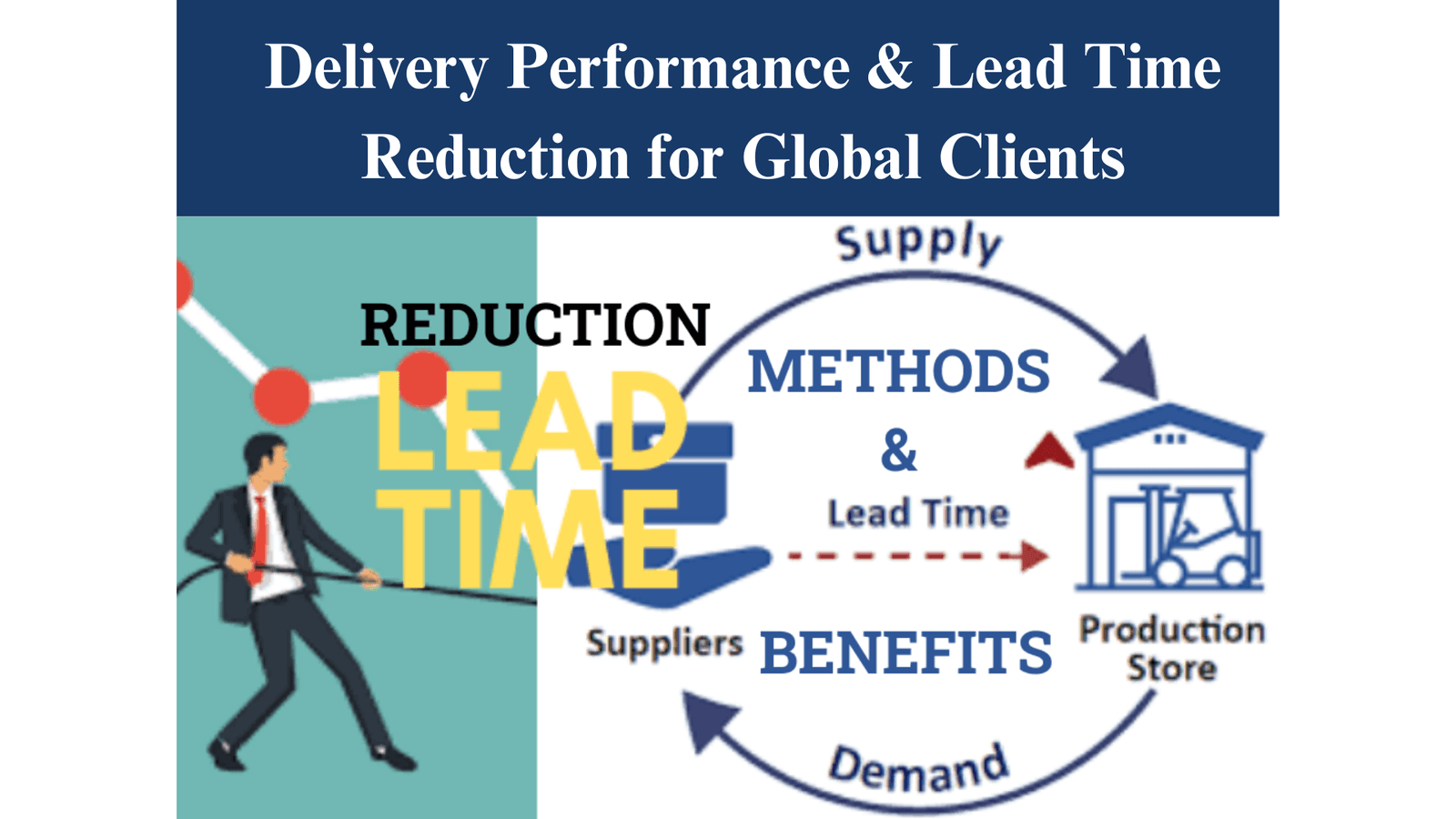
The term “On-Time Delivery” (OTD) often conjures up images of precision, punctuality, and the seamless execution of plans. In industries such as manufacturing or retail, OTD is a critical performance metric that reflects a company’s efficiency and reliability in delivering goods to its customers within the promised timeframe. However, when this concept is transposed into the realm of New Product Development (NPD), it transforms into something far more complex and nuanced than its straightforward appearance suggests.This blog explores the nuances behind why “on-time delivery” can be misleading in the context of NPD and offers insights into a more realistic and flexible approach to managing timelines and expectations. However, my experience has led me to question if merely striving for on-time delivery, particularly through lead time reduction, fully addresses the underlying complexities of NPD.
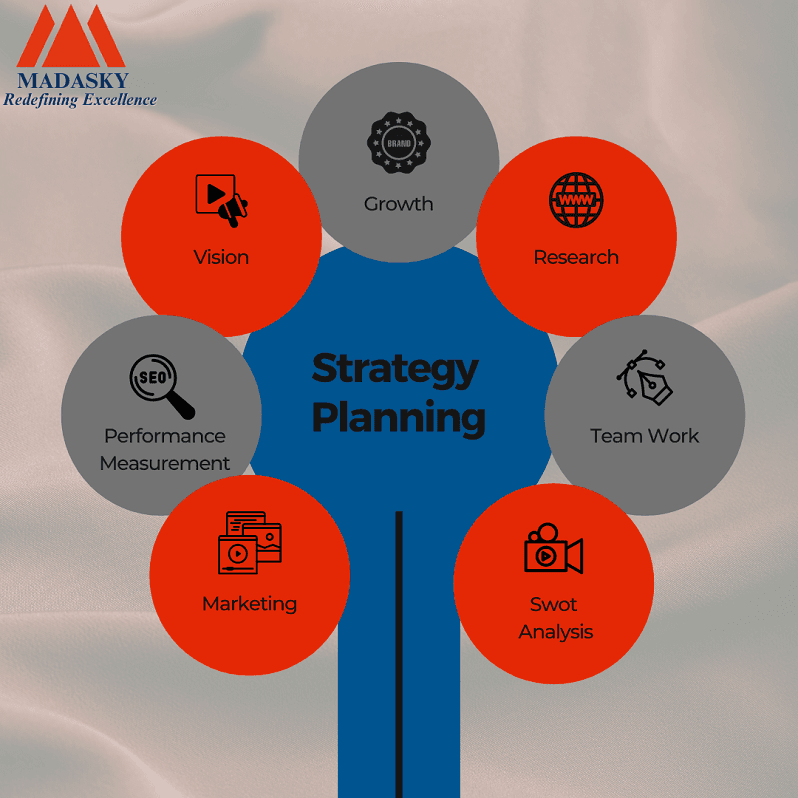
In today’s dynamic business landscape, manufacturing industries face unprecedented challenges and opportunities. To navigate these complexities and achieve sustainable growth, strategic planning becomes imperative. MADASKY Consulting specializes in offering planning services tailored to the unique needs of manufacturing companies. By leveraging our expertise and innovative strategies, we empower manufacturing industries to optimize their operations, meet customer demands effectively, and drive long-term success.

In an age where change is the only constant, businesses are required to continually innovate and adapt to maintain their competitive edge. Our consulting company is the catalyst for this transformation, providing bespoke solutions across a spectrum of critical business functions. From igniting growth and fine-tuning marketing strategies to streamlining sales processes, digitalizing operations for the digital age, enhancing organizational performance, and redefining business strategies for excellence, we empower your company to not only navigate but also to lead in an ever-evolving marketplace. With our comprehensive services, including transformative supply chain management, strategic global sourcing, and rigorous cost transformation, we are committed to propelling your business towards unprecedented success.

The lack of an effective inquiry system poses major challenges for companies. Many fail to proactively manage inquiries, leading to missed sales opportunities. The absence of a centralized tracking system results in scattered and unmanaged leads, causing delayed responses and overlooked prospects. Furthermore, poor monitoring of inquiry stages hinders effective sales forecasting and resource allocation. To mitigate these issues, companies need to implement a comprehensive system for managing inquiries, ensuring a more organized, responsive, and efficient conversion process.

Revitalizing a Garment Exporter’s Business: A Marketing and Sales Case Study This case study shows how Madasky Consulting collaborated with a client in the Apparel manufacturing industry to revamp their sales and marketing strategies, ultimately fuelin

The world’s domestic textile and clothing industries are at a critical crossroads as a result of geopolitical conflicts, environmental concerns, and economic upheavals that are fast changing the global landscape. The business is dealing with a sharp decline in B2B demand, which is being impacted by a number of issues, including the ongoing conflicts in Ukraine and Gaza as well as general economic instability. But this difficult environment also offers special chances for development and innovation, especially for markets like India, which are well-known for their exquisite handicrafts and rich textile history.

Executive Summary Madasky Consulting embarked on a eight-month transformative journey with a major textile manufacturing client grappling with low productivity across multiple factories. Despite managing customers for delayed orders, the client’s proce

Revolutionizing Manufacturing: Smart Solutions for Optimized Productivity and Minimized Downtime In an era where technological innovation is the keystone of progress, manufacturing companies stand on the threshold of a transformative revolution.Technol

High production costs for the textile and garment industry?? Madasky can help to reduce this challenge… High production costs are a critical challenge that the textile and garment industry often faces. Garment factories normally work constantly to ac

Production capacity in the textile and garment industry refers to the maximum amount of output (e.g., fabric, garments, or accessories) that can be produced within a given period, usually measured in units per day, week, or month. The production capacity
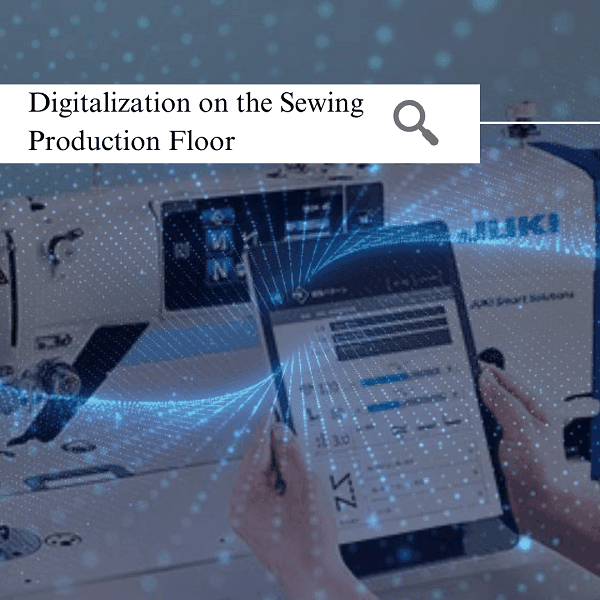
Digitalization on the Sewing Production Floor: A Case Study of Madasky Consulting’s Impact on Productivity

In today’s fast-paced world, digitalization is no longer a luxury but a necessity for businesses to stay ahead of their competition. Industries across the globe are rapidly adopting digital technologies to streamline their processes and improve product

As discussed in our previous blogs, niche stands on six pillars. We have previously covered: Acquisition cost, Five Ways, and Guarantee. Now we will discuss lifetime value. There are two ways to grow your business:

BY AMIT MITTAL, Business Coach, Consulting & Advisory

BY AMIT MITTAL, Business Coach, Consulting & Advisory

In our previous blog we have discussed briefly about Leverage that is a systematic approach in a system so that the organization may run automatically making the enterprise profitable. To work towards Leverage we must approach by taking one step at a time

BY AMIT MITTAL, Business Coach, Consulting & Advisory

BY AMIT MITTAL, Business Coach, Consulting & Advisory

BY AMIT MITTAL, Business Coach, Consulting & Advisory

BY AMIT MITTAL, Business Coach, Consulting & Advisory
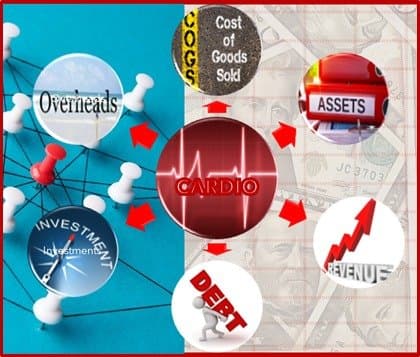
BY AMIT MITTAL, Business Accelerator, MADASKY Consulting

BY AMIT MITTAL, Business Coach, Consulting & Advisory

BY AMIT MITTAL, Business Coach, Consulting & Advisory

BY AMITMITTAL, Business Coach, Consulting & Advisory
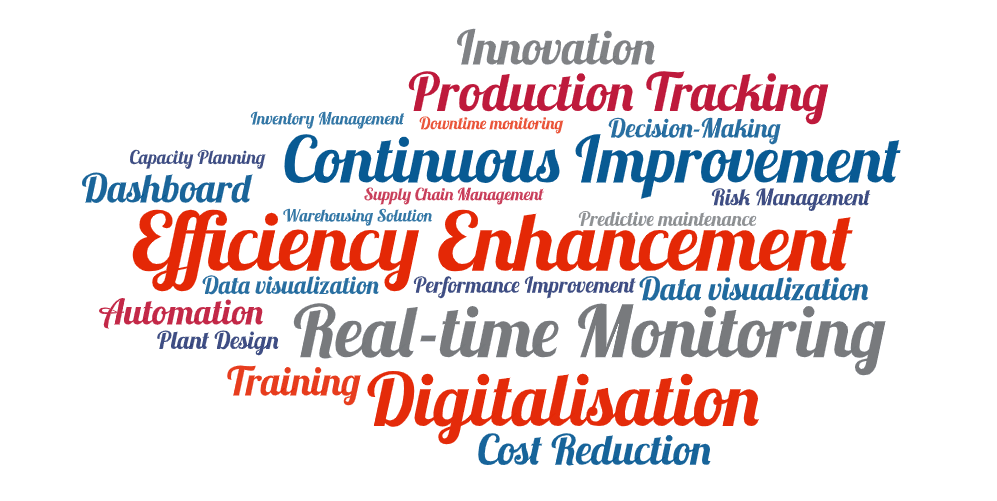
The multifaceted consultancy services provided by MADASKY to ABC International (a leading player in home textile manufacturing, name kept confidential) aimed at overhauling their production capabilities and operational strategies, especially in the comple

Innovex (name changed for confidentiality), a manufacturing company, encountered significant challenges in scaling their operations and optimizing sales outcomes. In partnership with Madasky Consulting, Innovex embarked on an extensive transformation of

In today’s competitive market, excelling in sales requires more than just enthusiasm and a good pitch. It demands a structured approach to skill enhancement, strategic thinking, and technique refinement. To address these needs, we present the 12-Week Sale

In the dynamic and competitive landscape of today’s global economy, business growth is not just a desirable goal; it’s an essential element for survival and long-term success. Every entrepreneur and business owner dreams of seeing their enterprise flouris

In today’s fast-paced and highly competitive business environment, the key to sustained success lies in continuous assessment and improvement. Without a clear understanding of your business’s strengths and weaknesses, it’s challenging to make informed dec