
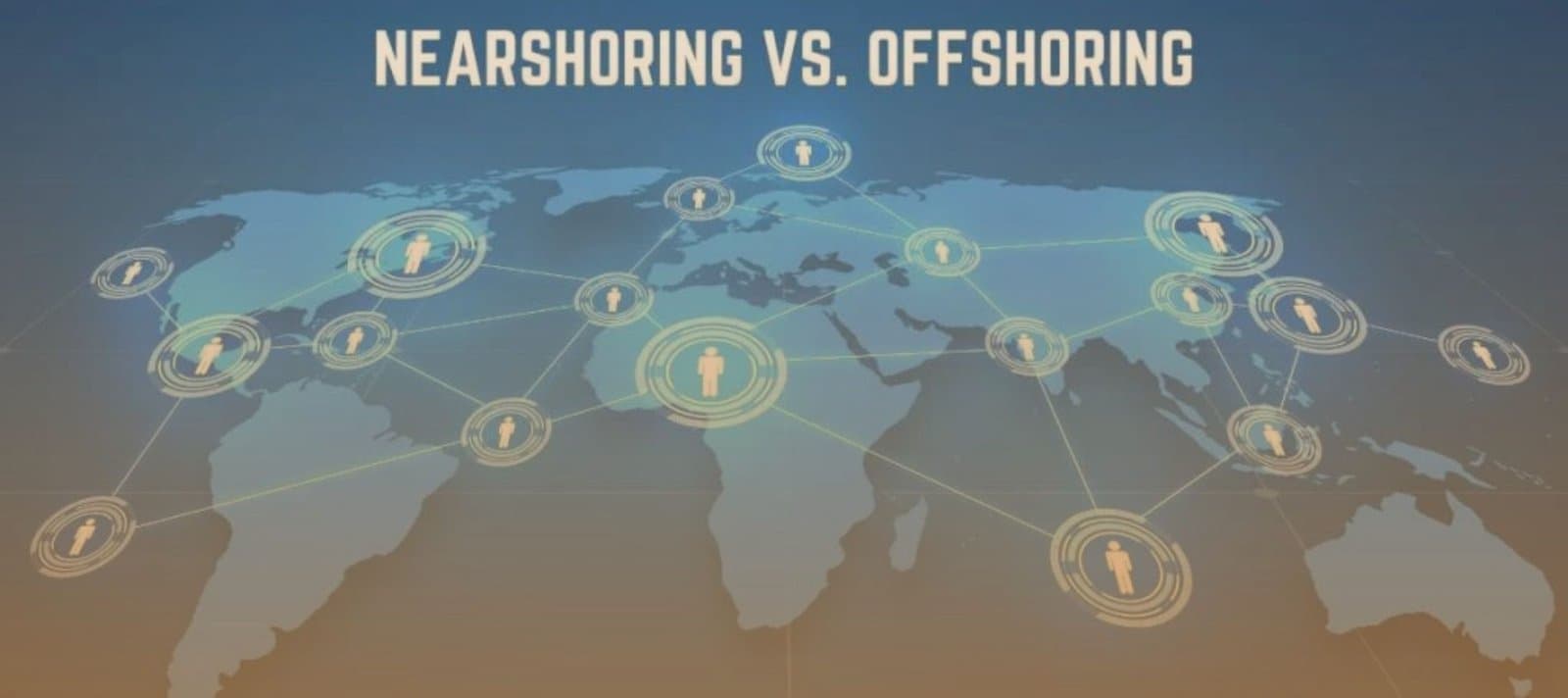
Where Should Your Textile & Apparel Supply Chain Actually Live?
Madasky Consulting · April 2026 · Home Textile & Apparel Edition
As brands face mounting pressure on cost, compliance, and speed-to-market, the sourcing decision has never been more consequential — or more nuanced.
For decades, India has been the backbone of global home textile and apparel supply chains. From the spinning mills of Coimbatore to the weaving clusters of Surat and the embroidery hubs of Lucknow, India offers a depth of manufacturing capability that is genuinely difficult to replicate anywhere in the world.
But the sourcing landscape is shifting. Nearshoring — the strategy of moving production closer to your end market — is gaining serious traction across North America and Europe. Brands are asking us the same question more than ever: should we stay with India, or should we nearshore?
At Madasky Consulting, we work exclusively in home textiles and apparel. That focus gives us a precise lens on this debate — one that goes beyond cost-per-unit to the full picture of what drives a profitable, resilient, and future-ready supply chain.
The Case for India
India's strength in home textiles is structural, not incidental. The country is the world's second-largest exporter of textiles, with an integrated supply chain that spans raw cotton cultivation through yarn spinning, weaving, dyeing, finishing, and final make-up — often within a single state or cluster. For buyers of bedding, bath, curtains, upholstery fabric, and apparel, this vertical integration translates directly into competitive pricing and product consistency.
| India's Strengths | Nearshoring's Appeal |
| • Unmatched vertical integration from fiber to finished good | • Dramatically shorter lead times — weeks, not months |
| • Highly competitive pricing on large MOQs across cotton, linen & blends | • Reduced logistics costs and carbon footprint |
| • Deep expertise in handcraft, embellishment & artisan techniques | • Easier in-person quality oversight and factory visits |
| • Established compliance infrastructure (GOTS, OEKO-TEX, BCI, Sedex) | • Lower geopolitical and shipping disruption risk |
| • Large, English-speaking talent pool with strong technical knowledge | • FTA advantages (e.g., CAFTA-DR, EU preferential access) |
India's artisan capabilities deserve special mention for home textiles. Block printing, hand embroidery, jacquard weaving, and intricate embellishments are categories where India has no credible nearshore rival. If your product line depends on craftsmanship and visual complexity, the sourcing math almost always points east.
| "For our clients building premium bedding or decorative home collections, India is often the only answer. But for a fast-fashion apparel brand serving the US market? The calculation looks completely different." |
What Nearshoring Actually Delivers
Nearshoring is not a cost play — it is a speed and agility play. For North American retailers, Mexico, Guatemala, Honduras, El Salvador, and Colombia have emerged as credible production hubs for mid-complexity apparel. For European brands, Turkey, Portugal, Morocco, and Romania can offer genuine proximity advantages.
The lead time difference is real and significant. A typical order from India to a US distribution center carries 90–120 days of total lead time, including production and transit. A comparable order from Mexico or Central America can deliver in 30–50 days. For trend-sensitive categories — athleisure, seasonal apparel, reactive home décor — that gap can be the difference between selling at full price and taking a markdown.
Nearshoring also reduces exposure to unpredictable freight costs. The 2021–2023 shipping disruptions were a painful reminder that a supply chain anchored on transoceanic logistics carries hidden cost volatility. Brands that had nearshore capacity weathered those disruptions with far greater resilience.
Where the Real Complexity Lies
At Madasky Consulting, we find that most brands approaching this decision are actually asking the wrong question. The choice is rarely India versus nearshoring — it is almost always a portfolio question. Which categories belong where?
Home textiles — particularly bedding, bath, and heavy upholstery — remain firmly in India's domain for the foreseeable future. The raw material base, the manufacturing scale, and the finishing expertise simply do not exist at comparable cost anywhere in the near-to-mid market zone. For apparel, the calculus is more variable and depends heavily on category, volume, and speed requirements.
MADASKY CONSULTING'S FRAMEWORK We guide clients through a category-by-category sourcing analysis that maps product complexity, volume, speed sensitivity, and compliance requirements against production geography. The result is a tailored dual-source or multi-geography strategy — not a one-size-fits-all answer. India often serves the core, while nearshore capacity handles replenishment, trend-reactive drops, and risk mitigation. |
Compliance, ESG & the Regulatory Horizon
Both geographies carry distinct compliance considerations. India's established audit ecosystem — Sedex, SMETA, SA8000, GOTS, OEKO-TEX — means that buyers can source certified sustainable and ethically produced product at scale. The infrastructure exists. The challenge is factory selection and rigorous ongoing oversight.
Nearshore production brings its own compliance dynamics. Mexico and Central America have faced scrutiny over labour practices in export-oriented manufacturing. The USMCA's Rapid Response Mechanism has introduced new enforcement mechanisms that brands must understand and monitor actively.
Europe's incoming Supply Chain Due Diligence Directive will raise the bar for all sourcing geographies, demanding deeper traceability than most brands currently maintain. At Madasky Consulting, we are already building compliance mapping into every sourcing strategy we develop — because the regulatory cost of getting this wrong is rising fast.
The Verdict
India is not being replaced. Its structural advantages in home textiles and complex apparel are durable. But nearshoring has earned a genuine seat at the table for brands prioritising speed, agility, and proximity to the North American and European consumer.
The most sophisticated brands in 2026 are not choosing one geography — they are engineering a deliberate portfolio across geographies, with each region playing to its strengths. That requires deep category expertise, strong supplier relationships, and a clear-eyed view of the total cost of sourcing — not just the FOB price.
That is exactly what Madasky Consulting is built to deliver.
Key Takeaways
Ready to rethink your sourcing strategy? Madasky Consulting works with home textile and apparel brands to build smarter, more resilient supply chains. Let's talk about what the right geography mix looks like for your business. www.madasky.com | info@madasky.com |